Happenings & Events
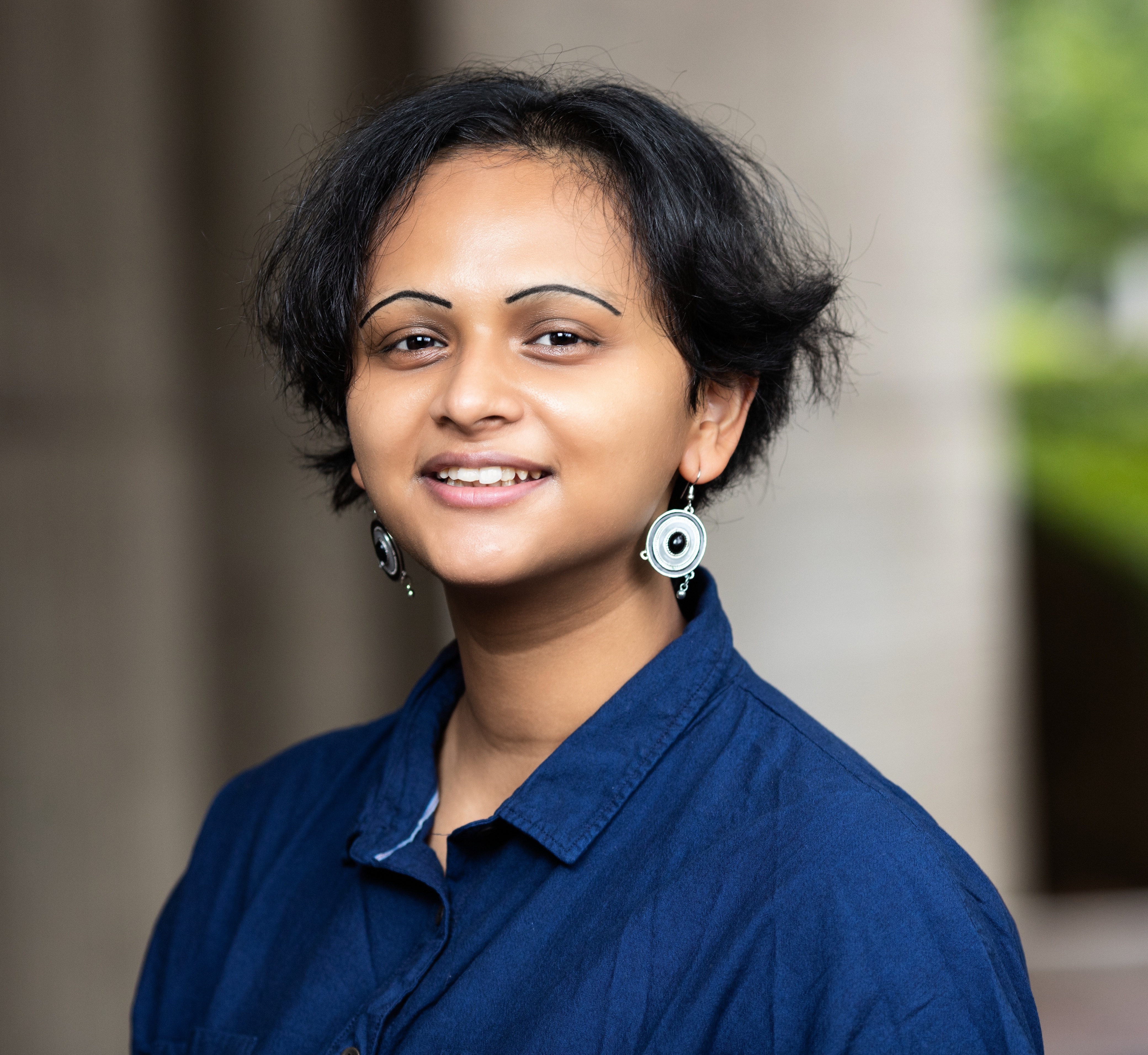

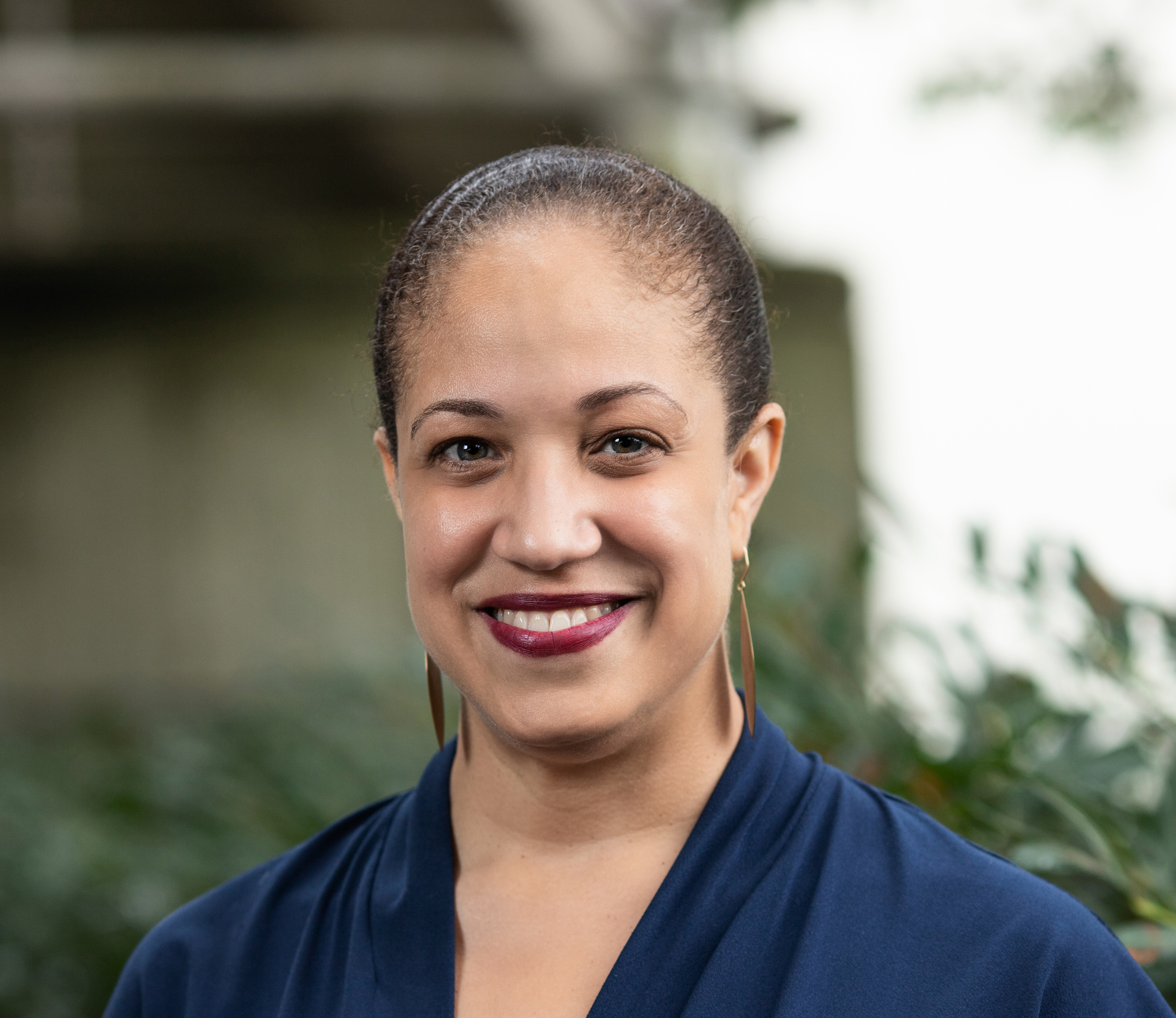
WGSS Spotlight
WGSS EOY Student Celebration!
The Department of Women's, Gender, & Sexuality Studies
Food | Beverages | Cheers for our 2024 Graduates!
RSVP Here!
Math and Science Center Atrium

Upcoming Events for All WGSS Majors
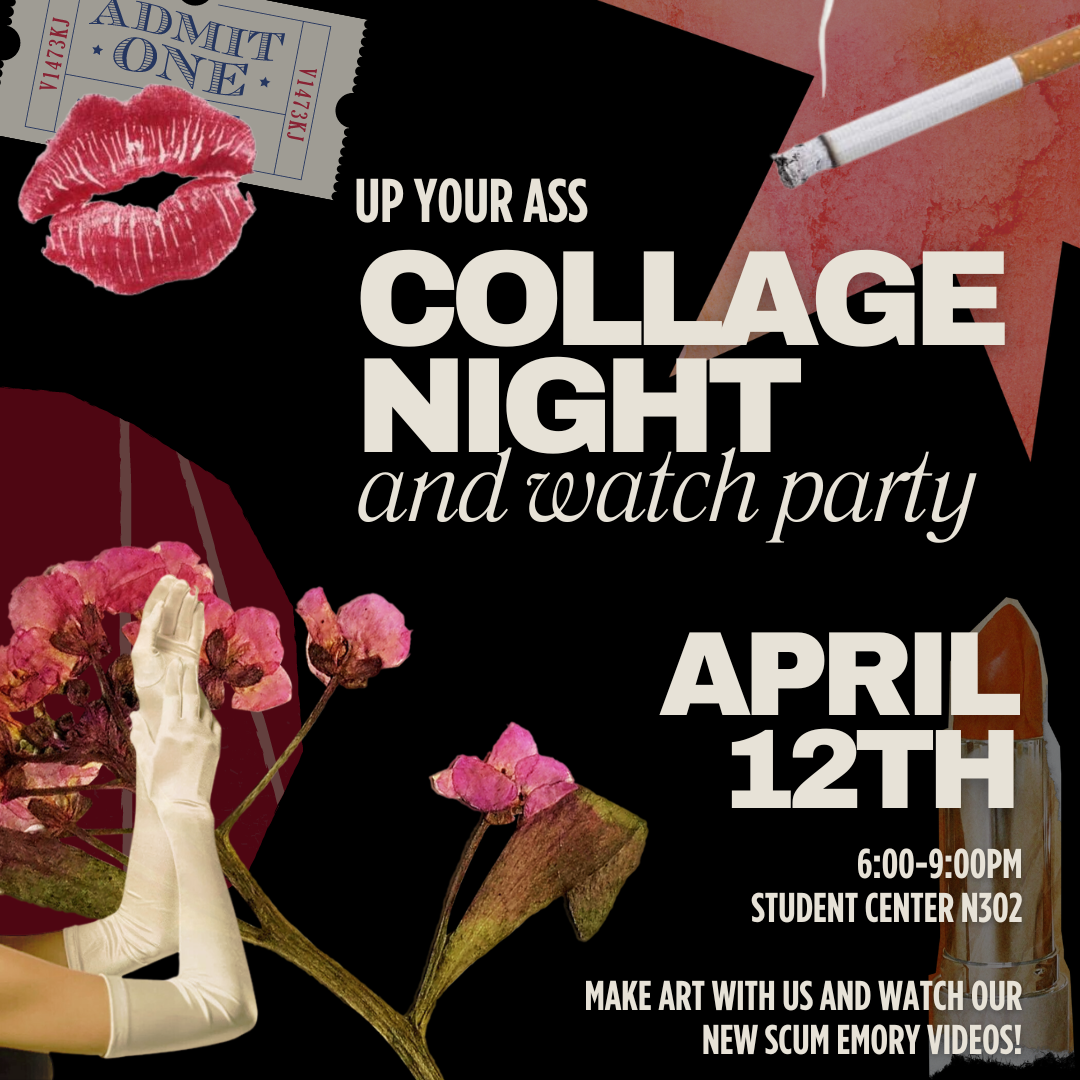
"Up Your Ass" Collage Night and Watch Party
Join the "Up Your Ass" cast and crewLinks to an external site. tomorrow (April 12) from 6-9pm in the Student Center room N302 for a craft night, snacks, and a watch party! We will be making collages and viewing SCUM Emory's videos about Valerie Solanas and our production of her play, "Up Your Ass."
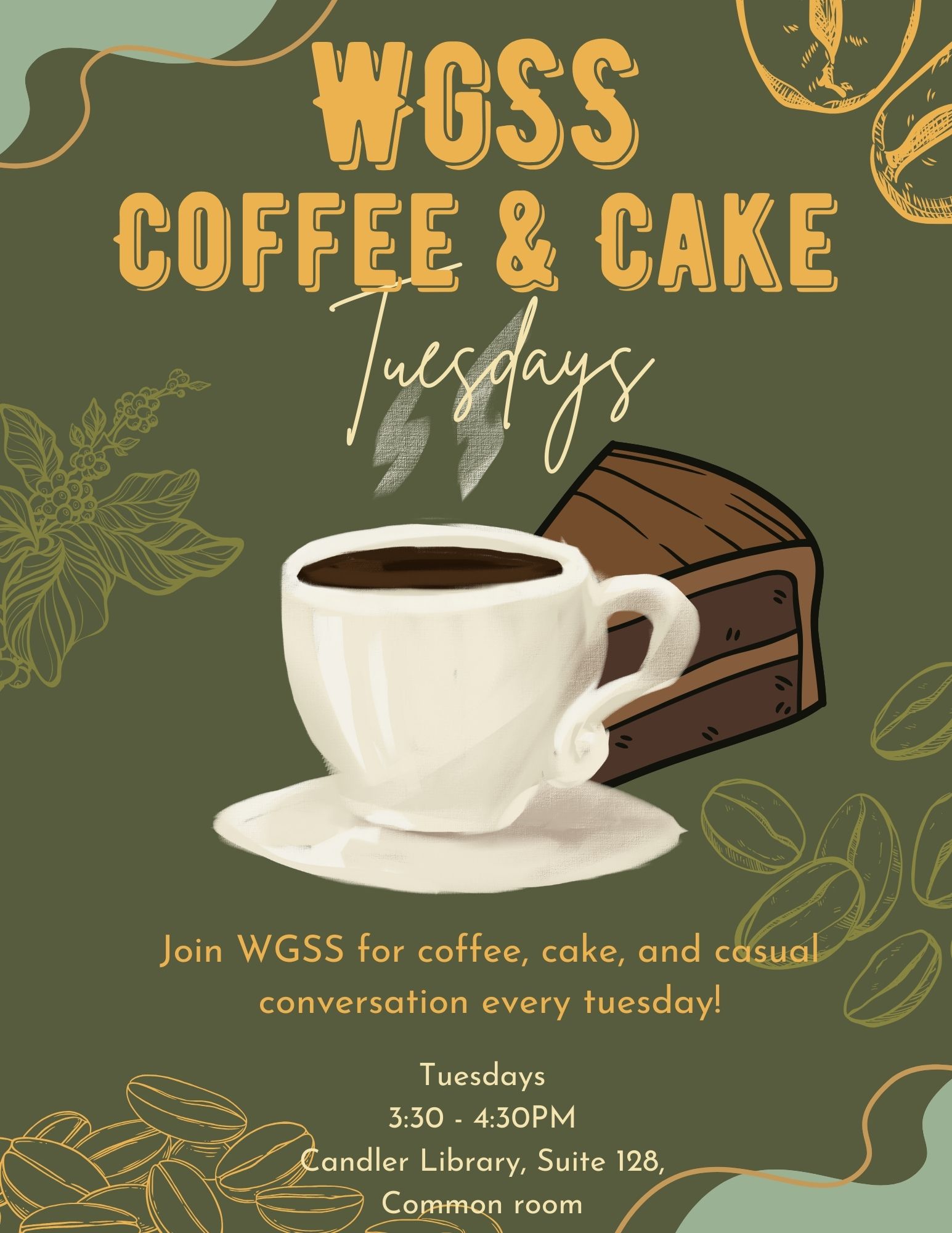
WGSS Coffee & Cake Tuesdays
Join the WGSS department for Coffee, Cake, and Casual Conversation every Tuesday from 3:30 - 4:30PM. WGSS graduate and undergraduate students welcome!
Every Tuesday from 3:30 - 4:30PM
Candler Library Suite 128 Common Room
WGSS x STEM Book Club
The WGSSxSTEM Book Club will be starting up again in February 2024! This is a reading group for undergraduates who are interested in discussing the intersections of STEM and feminism. This semester we will be meeting on February 6, March 5, and April 9 from 5:30-6:30 pm in Candler 125.
The first meeting is Tuesday, February 6 from 5:30-6:30pm in Candler 125. We plan to discuss the short science-fiction story “Mother of Invention” by Nnedi Okorafor. Refreshments will be provided, and we hope to see you there! If you would like to be added to the reading group Canvas page please email Manjari Sahay (manjari.sahay@emory.edu).
Link to reading: https://slate.com/technology/2018/02/mother-of-invention-a-new-short-story-by-nnedi-okorafor.html
Link to RSVP: https://forms.gle/npHQz3myuQKnqS1o7
